news
France 24
How Iran jammed Starlink (and how Iranians are trying to get around it)
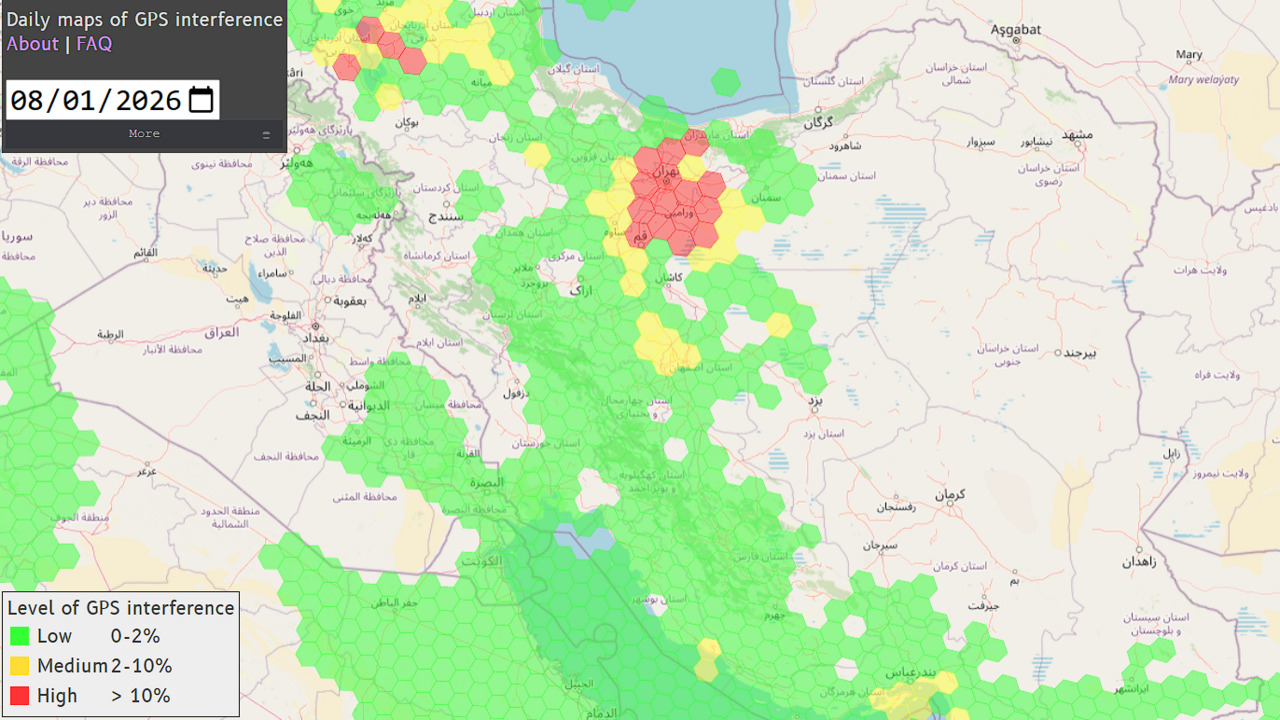
Iran has disrupted Starlink in Tehran by jamming GPS and satellite communications, but users and Starlink have partly restored service through software and technical workarounds. The effort matters because Starlink was one of the last remaining international communication links after Iran restricted internet and phone access during protests.
GPS interference prevents terminals from locating satellites, while more advanced “active interference” can overwhelm satellite channels. Experts say Iran may have used Russian military equipment, Iranian electronic-warfare systems, or domestically developed technology, but the exact method is unconfirmed.
Starlink’s software can bypass GPS by using satellite triangulation, though this limits civilian terminals’ mobility. A January 10 firmware update also lets terminals switch away from jammed satellites, reducing packet loss and improving connections.
Service remains unstable rather than fully blocked. Nasnet reported intermittent disruptions concentrated around Tehran, while other parts of Iran continued to operate normally. Packet loss reportedly fell from as high as 35–80% to about 10–30% after the update, but conditions continue to shift as both sides adapt.
Starlink remains inaccessible to most Iranians because only about 50,000 terminals serve a population of roughly 90 million, so it cannot replace nationwide internet access.
Takeaways
- Starlink's workaround can restore connectivity by triangulating location and switching between satellites, but civilian terminals lose mobility and remain vulnerable to changing interference.
- Even partial restoration has limited national impact: the article estimates only about 50,000 terminals for Iran's population of roughly 90 million.
Article timeline
Build this article’s timeline
Extract dated events, key actors, and open questions using the same timeline analysis available in Signal.
Log in to build
Timeline generation is available to signed-in community members.
Primary-source excerpts
Login to contribute excerpts from the source.
Five Ws
🤖 4 AI prefills · 1 still unanswered
Who
Kave Salamatian, Radim Badsi, Victoria Samson, and Iranian government
What
Iran has disrupted Starlink in Tehran by jamming GPS and satellite communications, but users and Starlink have partly restored service through software and technical workarounds.
When
When did this happen, or what is the timeframe?
Where
Iran, Tehran, and France
Why
Centers on Starlink satellite service, GPS interference, and active interference
Login to answer and earn XP for each gap you fill.
Iranian Internet Censorship Iran, internet shutdown, protests, censorship, communications GPS And Starlink Jamming Starlink, GPS interference, jamming, satellites, packet loss Starlink Anti-Jamming Technology software update, triangulation, firmware, satellite switching, rerouting Iranian Electronic Warfare Cobra-V8, Murmansk-BN, Krasukha-4, electronic warfare, Russia Connectivity Limits And Access Nasnet, service degradation, Tehran, intermittent interference, terminals
Key Phrases:
Starlink satellite service99% GPS interference97% active interference95% satellite jamming95% Iranian internet shutdowns93% packet loss91% Starlink terminal geolocation89% satellite triangulation88% electronic warfare systems87% Cobra-V884%
42
Manipulation Score: Medium
How much this article uses emotional framing vs. straight reporting
Loaded Language
4825%
Absolutist
1815%
Threat/Panic
5225%
Us vs Them
4515%
Engagement Bait
3520%
Manipulation score look right?
Factual Claims (5)
medium
technology
Iran has disrupted Starlink in Tehran by jamming GPS and satellite communications, while users and Starlink have partly restored service through technical workarounds.
Starlink has been subject to a jamming campaign that has seriously impaired its use.
medium
geopolitical
Starlink was one of the last remaining international communication links after Iran restricted internet and phone access during protests.
the Iranian government also tried to break the last international communication link available to Iranians: Starlink.
low
technology
GPS interference prevents terminals from locating satellites, while active interference can overwhelm satellite transmission channels.
A Starlink terminal usually needs GPS in order to establish a geographic location so as to communicate with the network’s satellites.
medium
military
Experts say Iran may have used Russian military equipment, Iranian electronic-warfare systems, or domestically developed technology, but the exact method is unconfirmed.
The specialists who spoke to our team had a number of theories.
medium
technology
A January 10 firmware update lets terminals switch away from jammed satellites, reducing packet loss and improving connections, though service remains unstable.
A software update released on the second day of the disruptions ... significantly reduced packet loss to approximately 10 percent.
Comments
Login to view and post comments.