news
the Guardian
‘Emotional intimacy’ from AI chatbots would be banned under Australia’s digital duty of care laws
Australia’s House of Representatives has passed a digital duty of care bill aimed at making technology platforms responsible for protecting users from harmful online content. The framework would apply to social media, games, apps and AI chatbots, replacing several existing online safety codes with a broader obligation to provide a safe digital environment.
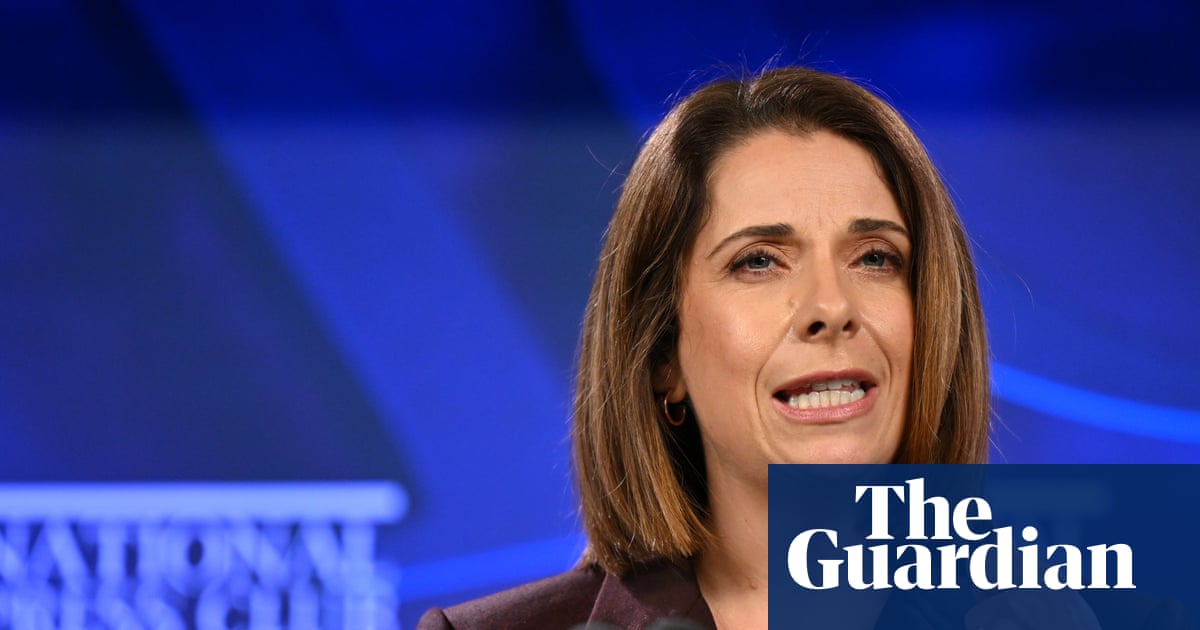
Communications Minister Anika Wells said the laws could cover material promoting misogyny, terrorism, suicide, self-harm and eating disorders. Following amendments proposed by independent MP Kate Chaney, platforms would also have to ban AI chatbot behaviour that simulates emotional intimacy and encourages children to depend on chatbots instead of human relationships. The bill would additionally require social media services to provide prominent, accessible opt-outs from algorithmically recommended content.
The legislation passed despite opposition from the Coalition and One Nation, which described it as an “Orwellian” censorship scheme. Labor hopes to pass it in the Senate by the end of 2026, but its prospects remain uncertain. The Greens support the principle of the bill but want stronger penalties and a private right of legal action.
A major unresolved issue is whether Australia should establish an independent complaints mechanism for social media and AI. Independent MP Sophie Scamps and the Greens want the telecommunications industry ombudsman empowered to investigate complaints, provide remedies and publicly identify companies that behave poorly. Ombudsman Cynthia Gebert supports expanding its remit, arguing that users currently receive ineffective automated responses when platforms fail to resolve disputes.
Article timeline
Build this article’s timeline
Extract dated events, key actors, and open questions using the same timeline analysis available in Signal.
Log in to build
Timeline generation is available to signed-in community members.
Primary-source excerpts
Login to contribute excerpts from the source.
Five Ws
🤖 4 AI prefills · 1 still unanswered
Who
Anika Wells, Anthony Albanese, Kate Chaney, and Australian Government
What
Australia’s House of Representatives has passed a digital duty of care bill aimed at making technology platforms responsible for protecting users from harmful online content.
When
When did this happen, or what is the timeframe?
Where
Australia and Canberra
Why
Centers on digital duty of care laws, AI chatbots, and emotional intimacy
Login to answer and earn XP for each gap you fill.
Digital Duty Of Care digital duty of care, online safety, harmful content, platform obligations, chatbots AI Emotional Dependence AI chatbots, emotional intimacy, child dependence, human relationships, best friend Australian Political Debate Anthony Albanese, Anika Wells, Labor, Coalition, Greens Platform Accountability Remedies social media watchdog, telecommunications ombudsman, complaints, external review, consumer remedies
Key Phrases:
digital duty of care laws100% AI chatbots96% emotional intimacy94% online safety standards bill93% social media watchdog89% algorithm opt-out feature87% harmful online content86% child dependence on chatbots85% telecommunications industry ombudsman84% external complaints mechanism81%
People: Anika Wells5 Anthony Albanese5 Kate Chaney3 Sarah Hanson-Young Sophie Scamps Cynthia Gebert4
Organizations: Australian Government Labor Party5 Coalition3 The Greens4 One Nation House of Representatives2 Senate3 Parliament of Australia Australian Communications and Media Authority Telecommunications Industry Ombudsman5
Events: COVID-19 pandemic
38
Manipulation Score: Medium
How much this article uses emotional framing vs. straight reporting
Loaded Language
3525%
Absolutist
2015%
Threat/Panic
4025%
Us vs Them
4515%
Engagement Bait
5020%
Manipulation score look right?
Factual Claims (10)
medium
technology
The federal government wants to ban AI chatbots that seek to create emotional intimacy.
low
legal
The digital duty of care bill passed the House of Representatives and will be debated by the Senate.
medium
legal
The government hopes to pass the bill by the end of 2026, but its pathway through the Senate remains unclear.
medium
legal
The planned framework would apply online safety standards to social media, games, apps and chatbots.
medium
technology
The framework would require social media platforms to offer an opt-out feature for algorithms and suggested content.
high
legal
Content promoting misogyny, terrorism, suicide, self-harm and eating disorders would be captured by the laws.
high
legal
The bill would require platforms to ban material or conduct that simulates emotional intimacy and fosters a child's dependence on it instead of human relationships.
low
political
The Coalition voted against the bill in the House, alongside One Nation.
medium
legal
The Greens support a digital duty of care and want private legal action and increased penalties for platforms.
medium
legal
The telecommunications industry ombudsman said its office could potentially oversee complaints involving big technology companies.
Comments
Login to view and post comments.