news
Task & Purpose
Army wants to test and field new drone defenses in under six months
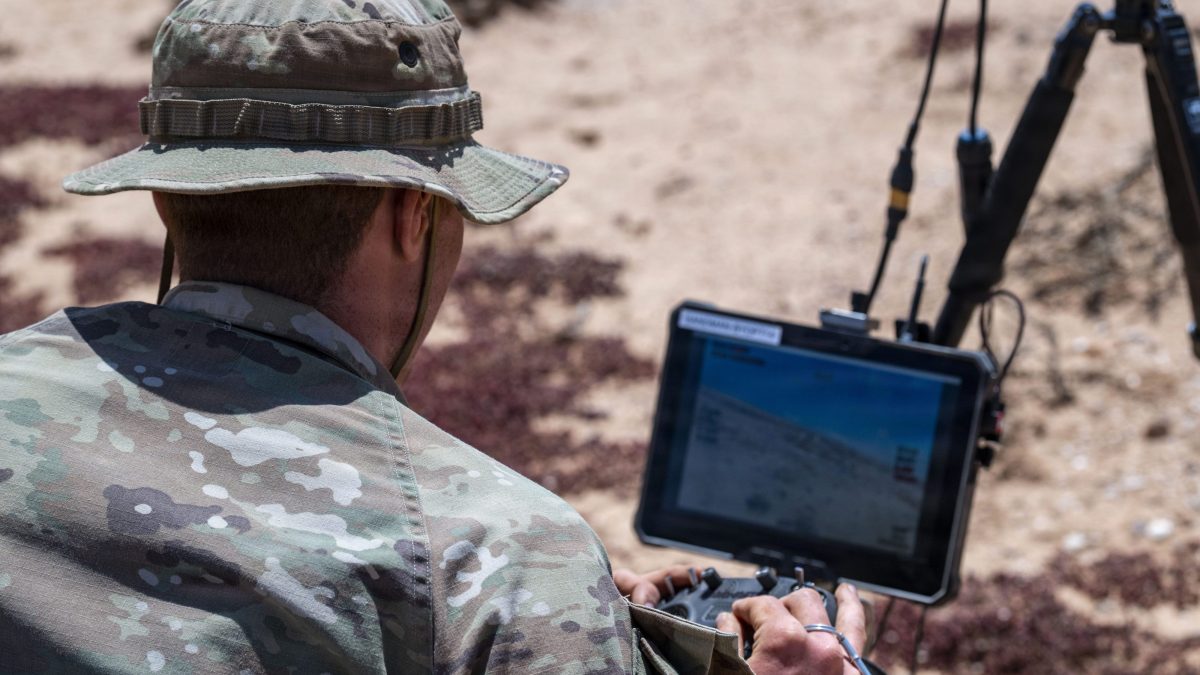
The U.S. Army plans to test as many as 15 counter-drone systems in Morocco during February and March 2027, with further evaluations scheduled for April and May during African Lion 2027. The goal is to identify effective, affordable technologies for protecting temporary command posts and remote military positions, then place the best-performing systems in soldiers’ hands within 180 days after the evaluation and approval process.
The testing will address threats from commercially available drones, including small aircraft that are difficult to detect because they can operate without transmitting radio signals. Officials said the Army is seeking systems able to detect and identify small, radio-silent drones from nearly one mile away, track larger drones from up to five miles, and monitor smaller drones from nearly two miles, both day and night.
The technologies under consideration include detection and tracking equipment, kinetic weapons that physically destroy drones, non-kinetic systems that disable them, and protective measures intended to limit damage. The effort reflects concerns that adversaries are rapidly adapting commercial drones, particularly in Africa’s remote, communications-limited environments.
Testing will take place in Tan-Tan, Morocco, where the Army plans to establish a “drone academy” for regional partners. Officials said the initiative is informed by lessons and threat trends from multiple theaters, though they did not link it directly to the conflict with Iran. After testing, Army leaders will review performance and soldier feedback before selecting systems for purchase.
Article timeline
Build this article’s timeline
Extract dated events, key actors, and open questions using the same timeline analysis available in Signal.
Log in to build
Timeline generation is available to signed-in community members.
Primary-source excerpts
Login to contribute excerpts from the source.
Five Ws
🤖 4 AI prefills · 1 still unanswered
Who
Samuel Wagner, Nicholas Slayton, Hegseth, and United States Army
What
The U.S.
When
When did this happen, or what is the timeframe?
Where
Cap Draa, Tan-Tan, and Morocco
Why
Centers on drone defense systems, radio-silent drones, and small unmanned aircraft detection
Login to answer and earn XP for each gap you fill.
Counter-Drone Testing drone defense, testing, technologies, evaluation, Army Drone Detection Systems detection, radio-silent drones, identification, tracking, range Countermeasure Technologies interception, weapons, disablement, physical destruction, protective measures African Military Operations Morocco, Tan-Tan, African Lion, drone academy, regional allies Emerging Drone Threats adversaries, commercial drones, adaptation, bandwidth-limited, degraded conditions
Key Phrases:
drone defense systems99% radio-silent drones95% small unmanned aircraft detection94% counter-drone technologies93% temporary command posts82% remote military positions80% commercially available drones88% degraded communications environments87% low-cost scalable systems84% Accelerated Capability Events90%
18
Manipulation Score: Low
How much this article uses emotional framing vs. straight reporting
Loaded Language
1225%
Absolutist
815%
Threat/Panic
2825%
Us vs Them
1015%
Engagement Bait
520%
Manipulation score look right?
Factual Claims (10)
medium
military
The Army plans to test up to 15 new drone defense systems in Morocco in spring 2027.
medium
military
The goal is to get top-performing systems into soldiers' hands within six months after evaluation.
medium
military
The tests will focus on protecting temporary command posts and remote military positions from enemy drones.
high
technology
The Army plans to test equipment that can detect and identify small, radio-silent drones from nearly a mile away.
high
technology
The Army wants systems capable of tracking large drones from 5 miles away and smaller drones from close to 2 miles.
medium
military
The technologies may include drone detection equipment, physical weapons, non-kinetic disabling systems, and protective measures.
medium
military
Potential adversaries are adapting commercially available drones for use against troops in remote areas.
medium
geopolitical
Testing is planned for February and March 2027 in Tan-Tan, Morocco, followed by evaluations during African Lion 2027.
medium
geopolitical
The Army has said it plans to build a drone academy for regional allies in Tan-Tan, Morocco.
medium
military
The 180-day timeline refers to fielding approved equipment after evaluation, not merely completing the testing process.
Comments
Login to view and post comments.