The Nascent Lunar Economy and Premature Securitization
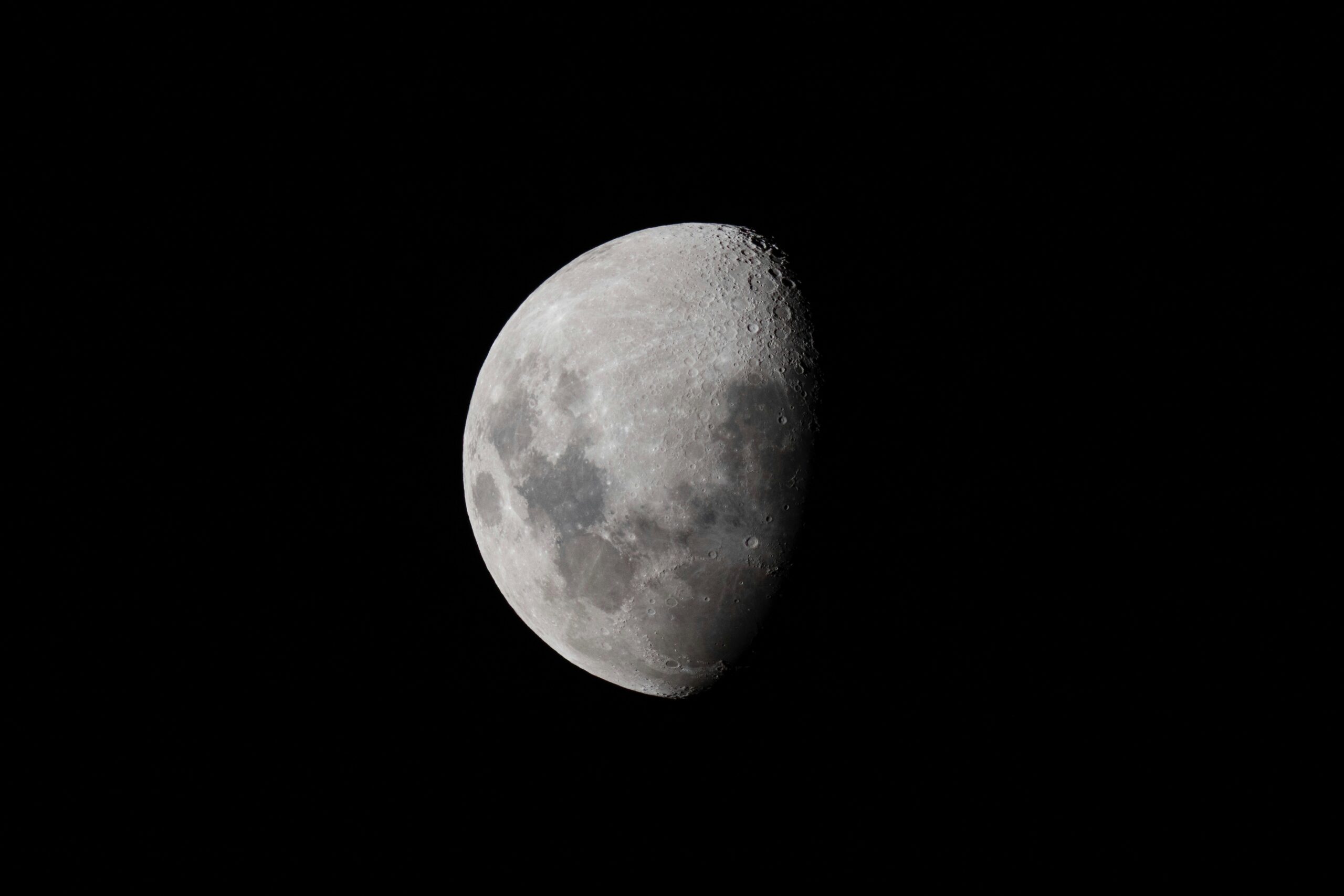
The essay argues that securitizing the Moon is premature and could hinder the development of a sustainable lunar economy. It opens with a hypothetical cyber or electronic attack that disrupts a crewed lunar transport mission, illustrating how fragile cislunar infrastructure could generate major financial and operational consequences. However, the authors contend that lunar capabilities currently pose limited threats to Earth or space assets, while a durable human or autonomous presence has yet to create substantial economic value.
The central concern is that embedding military functions in dual-use lunar infrastructure—such as spaceports, satellites, and ground stations, termed “Celestial Lines of Communication” (CLOCs)—would make these systems more attractive targets and divert resources from commercial development. Drawing on theories by Liddell Hart, A.F.K. Organski, and Susan Strange, the essay suggests that restraint, economic inclusion, multiple providers, and resilient infrastructure can reduce conflict incentives. Military capabilities should protect a maturing lunar economy rather than define it.
Existing legal frameworks provide incomplete guidance. The Outer Space Treaty restricts military bases and weapons of mass destruction, while the Moon Agreement imposes broader restrictions but lacks support from leading space powers. The Artemis Accords promote cooperation and resource extraction but are nonbinding and leave unresolved disputes over lunar sites. The authors therefore advocate a lunar demilitarized zone, supported by diplomatic and institutional precedents such as the International Space Station, the Svalbard Treaty, and the Berlin Conference. These models demonstrate that cooperation can manage competition without eliminating it.
Article timeline
Build this article’s timeline
Extract dated events, key actors, and open questions using the same timeline analysis available in Signal.
Log in to build
Timeline generation is available to signed-in community members.
Primary-source excerpts
Login to contribute excerpts from the source.
Five Ws
🤖 4 AI prefills · 1 still unanswered
Who
Alfred Thayer Mahan, John Klein, B.H. Liddell Hart, and United Nations
What
The essay argues that securitizing the Moon is premature and could hinder the development of a sustainable lunar economy.
When
When did this happen, or what is the timeframe?
Where
Moon, Cabeus crater, and Earth
Why
Centers on nascent lunar economy, premature securitization, and lunar demilitarized zone
Login to answer and earn XP for each gap you fill.
Lunar Economic Development lunar economy, commercial infrastructure, resource extraction, water ice, cash flow Premature Lunar Securitization militarization, securitization, dual-use systems, conflict risk, escalation Cislunar Infrastructure Resilience Celestial Lines of Communication, CLOCs, spaceports, ground stations, satellites Space Governance Frameworks Outer Space Treaty, Moon Agreement, Artemis Accords, lunar sovereignty, resource rights Lunar Demilitarized Zone demilitarized zone, DMZ, diplomacy, International Space Station, Svalbard Treaty
Key Phrases:
nascent lunar economy99% premature securitization97% lunar demilitarized zone96% Celestial Lines of Communication95% cislunar space93% dual-use infrastructure91% lunar resource exploitation90% power transition theory86% Outer Space Treaty89% Moon Agreement87%
People: Alfred Thayer Mahan John Klein B.H. Liddell Hart3 A.F.K. Organski3 Susan Strange2 Ronald Reagan Bill Clinton
24
Manipulation Score: Low
How much this article uses emotional framing vs. straight reporting
Loaded Language
1825%
Absolutist
1215%
Threat/Panic
3525%
Us vs Them
1515%
Engagement Bait
220%
Manipulation score look right?
Factual Claims (10)
medium
geopolitical
States increasingly view the lunar surface and cislunar space as economically viable areas and potential warfighting domains.
medium
military
Lunar capabilities do not yet pose a prominent threat to assets on Earth or in space.
medium
economic
Humanity has not yet achieved a sustainable human or autonomous lunar presence that creates value for the terrestrial economy or future space endeavors.
medium
technology
Current cislunar communication nodes have limited redundancy and remain dependent on terrestrial infrastructure.
medium
military
Embedding national-security capabilities in lunar technologies could make fragile cislunar nodes more justifiable military targets.
low
legal
The Outer Space Treaty prohibits military bases on celestial bodies and weapons of mass destruction in orbit, but does not ban all military operations or dual-use systems.
low
legal
The United States, Russia, and China have not ratified the 1979 Moon Agreement.
medium
legal
The Artemis Accords are non-binding and have more than 70 signatories, while China and Russia have not signed them.
medium
legal
There is no universally accepted process for resolving competing claims to lunar sites.
medium
legal
The 2011 Wolf Amendment effectively bars NASA funds from supporting most bilateral cooperation with China.
Comments
Login to view and post comments.