news
DefenseScoop
Pentagon sets procedures for AI-assisted software development
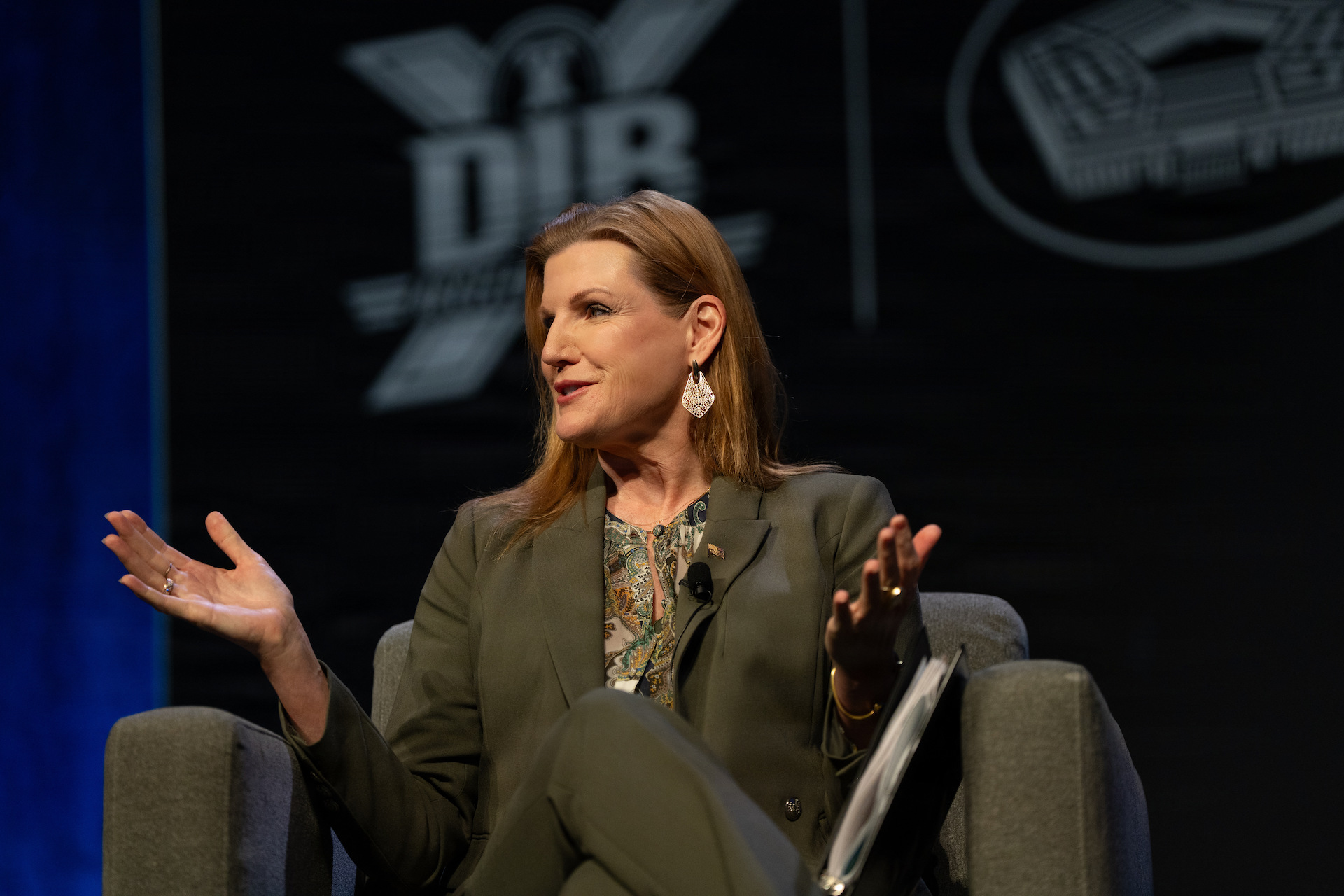
The Pentagon has issued a new instruction, approved by CIO Kirsten Davies and effective Sept. 8, that establishes policy and procedures for using AI in software development as part of its move toward “software-defined warfare.” The 37-page guidance, titled “Accelerated Mission Software,” emphasizes software modernization, enterprisewide reuse, and faster delivery of capabilities across the Department of Defense.
Officials describe AI-assisted development as a major force multiplier for speed and quality, and direct DOD components to use AI to automate development, improve system integration, and strengthen resilience and security. At the same time, the instruction places clear limits and accountability requirements on AI use. Developers and teams remain fully responsible for the security, functionality, and integrity of any AI-generated or AI-modified code, and human review is required for security- or safety-critical changes.
All AI-suggested code must undergo the same review and security testing as manually written code, including checks for vulnerabilities, safety issues, logical errors, bugs, intellectual property concerns, license obligations, and proper security controls. Components must also define risk-mitigation requirements, verify benchmarks before deployment, and monitor performance continuously.
To improve transparency, teams must keep records of models, versions, and significant datasets used in software generation or testing. The guidance also calls for tools to detect unintended bias and restricts the use of sensitive non-public DOD data in unapproved generative AI systems. Approved services must contractually prevent government data and prompts from being used to train external models. Training for development teams is also required.
Article timeline
Build this article’s timeline
Extract dated events, key actors, and open questions using the same timeline analysis available in Signal.
Log in to build
Timeline generation is available to signed-in community members.
Primary-source excerpts
Login to contribute excerpts from the source.
Five Ws
🤖 4 AI prefills · 1 still unanswered
Who
Kirsten Davies, Pentagon, Department of War, and Department of Defense
What
The Pentagon has issued a new instruction, approved by CIO Kirsten Davies and effective Sept.
When
Aug. 31 and Sept. 8
Where
Where did this occur?
Why
Centers on AI-assisted software development, software-defined warfare, and Accelerated Mission Software
Login to answer and earn XP for each gap you fill.
AI Software Policy instruction, policy, software modernization, accelerated mission software, enterprise reuse Security Review Controls security, review, testing, vulnerabilities, human approval AI Transparency Tracking models, versions, datasets, traceability, evidence package Data Leakage Restrictions sensitive information, non-public code, generative AI, approved systems, contractual guarantees Developer Training Guidance training, prompt engineering, secure code, vulnerability patterns, intellectual property
Key Phrases:
AI-assisted software development98% software-defined warfare93% Accelerated Mission Software91% software modernization89% enterprisewide software reuse84% security, accountability, and transparency baseline88% mission-critical software development87% AI-generated code86% software evidence package80% SBOM77%
People: Kirsten Davies
12
Manipulation Score: Low
How much this article uses emotional framing vs. straight reporting
Loaded Language
825%
Absolutist
1015%
Threat/Panic
1825%
Us vs Them
615%
Engagement Bait
1220%
Manipulation score look right?
Factual Claims (10)
medium
legal
Pentagon CIO Kirsten Davies approved an instruction for AI-assisted software development.
medium
legal
The guidance on 'Accelerated Mission Software' was signed on Aug. 31 and took effect Sept. 8.
medium
legal
The instruction sets policy, responsibilities, and procedures for software modernization and management across the department.
low
technology
The document encourages enterprise-wide software reuse.
medium
technology
DOD components should employ AI technologies to modernize software systems, boost efficiency, and accelerate capability delivery.
medium
legal
Developers remain fully accountable for the security, functionality, and integrity of code generated or modified using AI.
medium
technology
AI-generated changes to security- or safety-critical functionality must be reviewed and approved by a human.
medium
technology
All AI-suggested or AI-generated code must undergo the same review and security testing as manually written code.
medium
technology
Software efforts must keep records of models, versions, and significant datasets used to generate or test software.
medium
security
Non-public DOD code and related sensitive materials may not be entered into generative AI tools that are not approved or hosted on department systems.
Comments
Login to view and post comments.