news
Military Times
Opposition by US and Russia raises doubts over autonomous weapons talks outcome, diplomats say
Diplomats meeting in Geneva under the Convention on Certain Conventional Weapons are struggling to reach agreement on a draft text that could open the door to international rules on autonomous weapons. The talks involve 128 states and focus on whether to adopt a non-binding document that might lead to future negotiations on bans or regulations for Lethal Autonomous Weapons Systems (LAWS).
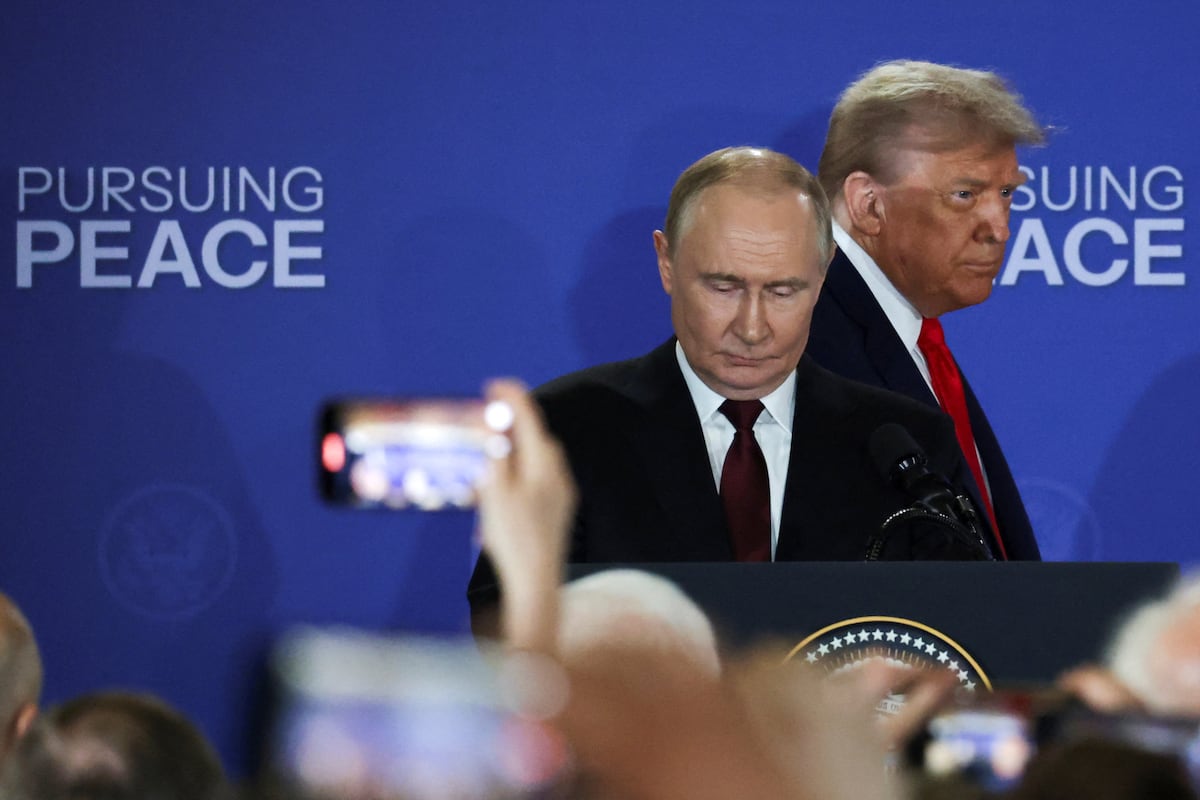
The main obstacle is opposition from the United States and Russia, which has raised doubts that consensus can be reached by Friday. A majority of countries reportedly support the draft, but Washington and Moscow have pushed late changes and deletions. Some diplomats warned that time is running out and that key provisions developed over several years could be removed, increasing the risk of no agreement.
The debate centers on how to regulate weapons that can identify and engage targets with different levels of autonomy, including systems assisted by artificial intelligence. Concerns have grown because such weapons are already relevant in conflicts such as Ukraine, Sudan, and the Middle East. Rights groups warn that these systems may act unpredictably and cause deadly mistakes.
All states agree that international humanitarian law applies to LAWS, but binding global standards remain limited. The U.S. argues that existing humanitarian law is sufficient and prefers guidelines rather than a treaty-like framework. Russia, India, and Turkey support that position. According to diplomats, Washington has also contacted at least six countries to back its approach.
Article timeline
Build this article’s timeline
Extract dated events, key actors, and open questions using the same timeline analysis available in Signal.
Log in to build
Timeline generation is available to signed-in community members.
Primary-source excerpts
Login to contribute excerpts from the source.
Five Ws
🤖 4 AI prefills · 1 still unanswered
Who
United States, Russia, and Convention on Certain Conventional Weapons
What
Diplomats meeting in Geneva under the Convention on Certain Conventional Weapons are struggling to reach agreement on a draft text that could open the door to international rules on autonomous weapons.
When
When did this happen, or what is the timeframe?
Where
Geneva, Swiss city, and Ukraine
Why
Centers on Lethal Autonomous Weapons Systems, Convention on Certain Conventional Weapons, and international rules on autonomous weapons
Login to answer and earn XP for each gap you fill.
Autonomous Weapons Talks Geneva, CCW, LAWS, autonomous weapons, consensus US Russia Opposition United States, Russia, late changes, deletions, guidelines AI Weapon Risks artificial intelligence, semi-autonomous, target identification, fatal errors, unpredictable International Law Framework international humanitarian law, binding standards, weapons regulation, Convention on Certain Conventional Weapons, legal framework
Key Phrases:
Lethal Autonomous Weapons Systems100% Convention on Certain Conventional Weapons96% international rules on autonomous weapons95% non-binding text90% international humanitarian law89% consensus84% prohibitions and regulations82% semi-autonomous weapons81% artificial intelligence79% draft text78%
18
Manipulation Score: Low
How much this article uses emotional framing vs. straight reporting
Loaded Language
825%
Absolutist
1015%
Threat/Panic
2225%
Us vs Them
1215%
Engagement Bait
1520%
Manipulation score look right?
Factual Claims (10)
medium
geopolitical
Opposition from the United States and Russia has raised doubts about agreement on a document in Geneva.
low
geopolitical
128 states are party to the Convention on Certain Conventional Weapons (CCW).
low
geopolitical
The CCW is an international framework hosted under the United Nations in Geneva that regulates or bans certain weapons.
medium
geopolitical
States are deciding whether to reach consensus on a non-binding text that could lead to negotiations on LAWS prohibitions and regulations.
medium
military
Concerns have been mounting about semi-autonomous weapons in conflict zones such as Ukraine, Sudan and the Middle East.
medium
technology
Human Rights Watch and Stop Killer Robots warned that AI-assisted weapons may behave unpredictably and raise the risk of fatal errors.
medium
legal
International humanitarian law applies to LAWS, but binding international standards for them are virtually non-existent.
medium
geopolitical
A majority of countries at the meeting support a draft text, while the U.S. and Russia proposed late changes and deletions.
medium
geopolitical
The U.S. position has hardened over the past six months, favoring guidelines rather than a legally binding treaty.
medium
geopolitical
At least six countries received formal diplomatic approaches from Washington to back its position on the draft text.
Comments
Login to view and post comments.