news
Tom's Hardware
Russian drones spotted using screwed-on magnetic compasses as navigation aids — the on-board camera can occasionally tilt down to check bearings if satellite comms are lost
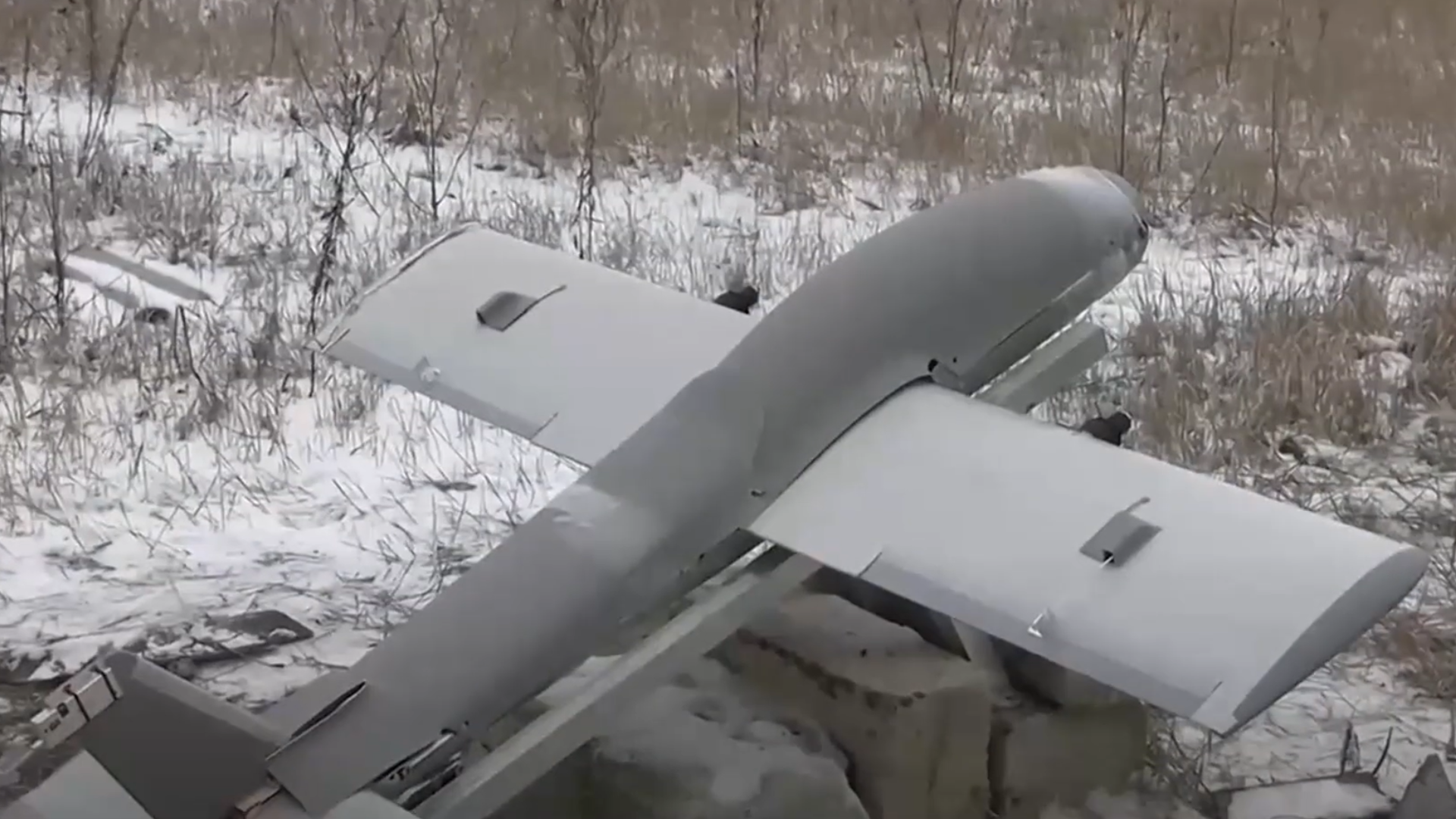
In Ukraine’s ongoing war, both sides continue to adapt drone technology in response to electronic warfare and GPS jamming. While advanced systems such as Starlink-linked drones and fiber optic drones are increasingly used on the battlefield, Russian forces have also turned to a low-tech solution: attaching $2 magnetic compasses to Molniya drones.
The Molniya is a cheap, medium-range drone that uses the open-source ExpressLRS radio control system and can reportedly be operated at distances of up to 62 miles (100 kilometers). Some versions have used Starlink to resist jamming, though that approach may be less practical because Ukraine requires Starlink units to be registered before use. A fiber optic cable can also be added, making the drone immune to electronic interference, but this reduces its range to about 18 miles (30 kilometers).
Because GPS jamming is common in Ukrainian airspace, Russian drone operators risk losing navigation during missions. To address this, some frontline units have crudely mounted magnetic compasses near the FPV camera so pilots can check direction visually and combine that information with telemetry data.
A leaked image shows the compass attached with five screws, suggesting a field modification rather than a factory design. Although the upgrade has been mocked as primitive, it appears to be a cheap and effective workaround that helps Russian drones continue reaching their targets despite heavy electronic countermeasures.
Article timeline
Build this article’s timeline
Extract dated events, key actors, and open questions using the same timeline analysis available in Signal.
Log in to build
Timeline generation is available to signed-in community members.
Primary-source excerpts
Login to contribute excerpts from the source.
Five Ws
🤖 5 AI prefills · all filled
Who
Jowi Morales, Pavel Checkov, Ukraine, and Defence Blog
What
In Ukraine’s ongoing war, both sides continue to adapt drone technology in response to electronic warfare and GPS jamming.
When
July 17, 2026 and 2021
Where
Ukraine and Russian-Ukrainian war
Why
Centers on drone warfare, electronic warfare, and magnetic compasses
Login to answer and earn XP for each gap you fill.
Drone Warfare drones, UAVs, FPV, battlefield, combat Electronic Countermeasures jamming, GPS, electronic warfare, interference, telemetry Field Modifications compass, add-on, modification, screws, improvised Drone Technology fiber optic, ExpressLRS, Starlink, range, radio control
Key Phrases:
drone warfare98% electronic warfare96% magnetic compasses94% Molniya drones93% GPS jamming91% fiber optic cable89% Starlink connections87% ExpressLRS radio control system86% FPV camera82% Ukrainian airspace80%
Events: Russian-Ukrainian war
24
Manipulation Score: Low
How much this article uses emotional framing vs. straight reporting
Loaded Language
1825%
Absolutist
1215%
Threat/Panic
2025%
Us vs Them
1015%
Engagement Bait
3520%
Manipulation score look right?
Factual Claims (10)
low
geopolitical
Ukraine has been fighting a years-long war of attrition against Russian aggression.
medium
technology
Modern battlefield technologies include Starlink-powered long-range drones and jam-proof fiber optic drones.
medium
military
Russians are installing $2 magnetic compasses on some Molniya drones to counter electronic warfare.
medium
technology
The Molniya is a cheap, medium-range drone that uses the open-source ExpressLRS radio control system.
medium
technology
ExpressLRS can let operators control the drone from up to 62 miles (100 kilometers).
medium
military
Some Molniya versions have used Starlink connections to resist Ukrainian jamming.
medium
legal
Ukraine requires Starlink units to be registered in the country before use.
medium
technology
Fiber optic cable makes the drone impervious to electronic interference but limits range to about 18 miles (30 kilometers).
medium
military
GPS jamming is a common occurrence in Ukrainian airspace.
low
technology
The compass is installed just below the FPV camera so the operator can confirm bearings.
Comments
Login to view and post comments.