news
AutoNotion
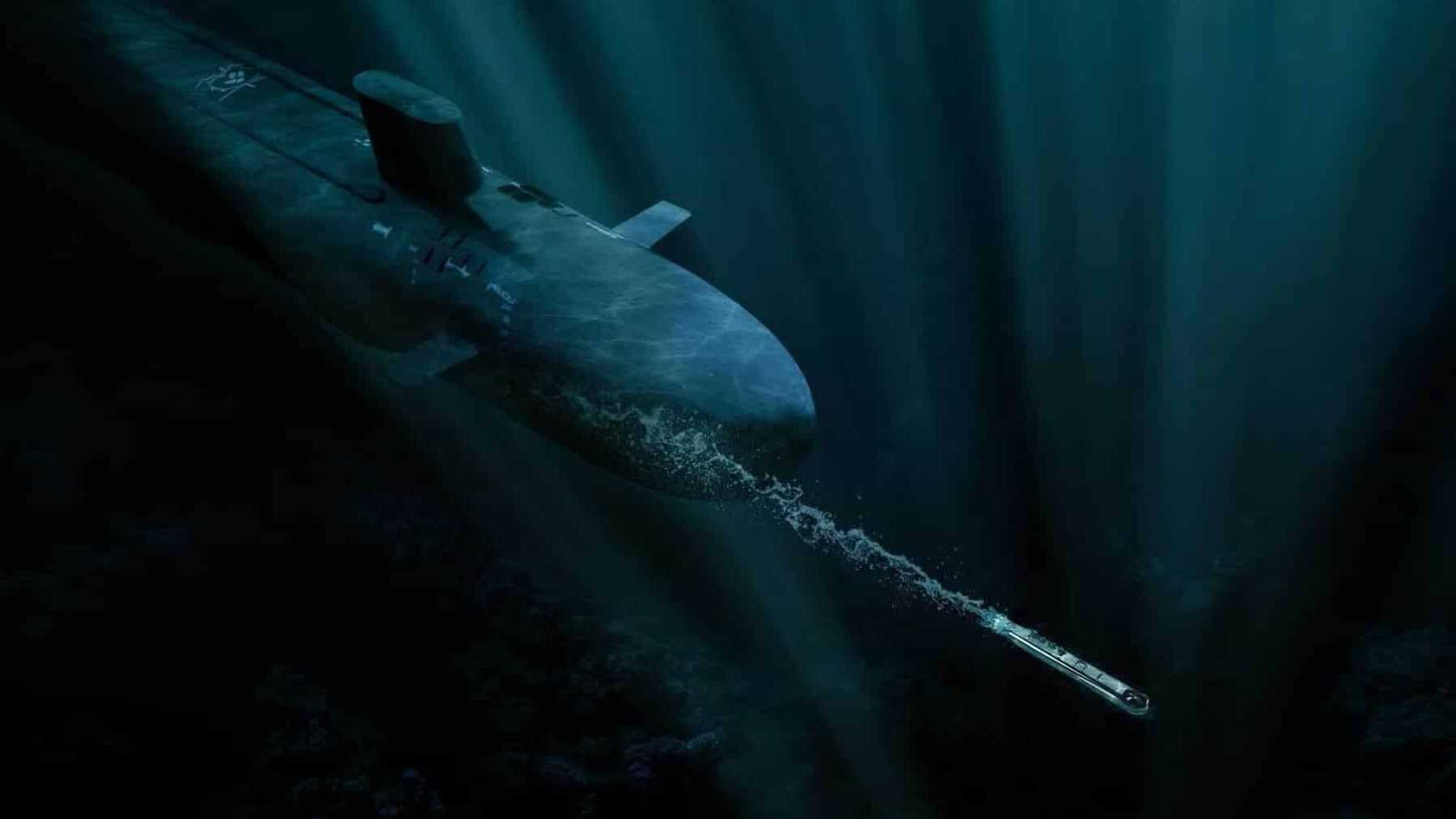
A US company just launched a 4,921-foot fence that sits on the seabed to kill underwater drones with no explosives and no torpedoes, and it will not say what the barrier is made of. Four days later the Pentagon asked industry for exactly that
ThayerMahan, a maritime technology company based in Groton, Connecticut, has launched SeaGuard, a 4,921-foot underwater barrier designed to stop uncrewed underwater vehicles without explosives or torpedoes. The system is described as a non-kinetic “fence” that sits on the seabed, can be deployed temporarily or permanently, and can be layered for added protection. It is intended to defend harbors, submarine berths, water intakes, and cable landing stations in water depths of 33 to 164 feet.
The company says SeaGuard works by combining a physical barrier with an undisclosed “disruption” method, but it has not revealed what the barrier is made of or how the disruption works. ThayerMahan also says the system is used alongside passive sensors and third-party active sonar, meaning it is the final step in a detect-track-classify-defeat chain rather than a standalone sensor.
The launch drew attention because, four days later, the Pentagon’s Defense Innovation Unit issued a request for industry proposals for underwater drone barriers under a program called REEF. That solicitation said current defenses are fragmented, expensive, and limited, and it favored non-kinetic solutions such as nets, bubble curtains, and synthetic barriers.
ThayerMahan is led by retired Vice Admiral Mike Connor, a former commander of the U.S. submarine force. While SeaGuard was the headline product, the company’s recent contracts and deliveries have focused more on sensing systems, including SeaPicket and Outpost payloads.
Article timeline
Build this article’s timeline
Extract dated events, key actors, and open questions using the same timeline analysis available in Signal.
Log in to build
Timeline generation is available to signed-in community members.
Primary-source excerpts
Login to contribute excerpts from the source.
Five Ws
🤖 4 AI prefills · 1 still unanswered
Who
Luis Reyes, Mike Connor, Andy Meecham, and ThayerMahan
What
ThayerMahan, a maritime technology company based in Groton, Connecticut, has launched SeaGuard, a 4,921-foot underwater barrier designed to stop uncrewed underwater vehicles without explosives or torpedoes.
When
When did this happen, or what is the timeframe?
Where
Groton, Connecticut, Connecticut, and United States
Why
Centers on SeaGuard, underwater drone barrier, and uncrewed underwater vehicles
Login to answer and earn XP for each gap you fill.
Underwater Barrier System SeaGuard, fence, barrier, UUV, physical defeat Pentagon Procurement Pentagon, DIU, REEF, solicitation, countermeasures Undersea Threat Landscape UUVs, harbors, critical waterways, submarine, drones ThayerMahan Sensing SeaPicket, hydrophones, Outpost, TransparenSea, acoustic sensing Defense Industry Positioning Vice Admiral, TRL 8, readiness, launch, company
Key Phrases:
SeaGuard100% underwater drone barrier98% uncrewed underwater vehicles96% Robotic Exclusion Engagement Framework93% non-kinetic barrier91% physical defeat coupled with disruption90% detect-classify-defeat chain88% passive sensors86% active sonar84% TRL 883%
Organizations: ThayerMahan6 Pentagon3 Defense Innovation Unit2 DIU2 Defense News The Register2 UK Ministry of Defence General Dynamics Electric Boat Navy U.S. Submarine Force
41
Manipulation Score: Medium
How much this article uses emotional framing vs. straight reporting
Loaded Language
3425%
Absolutist
2215%
Threat/Panic
4825%
Us vs Them
1815%
Engagement Bait
6320%
Manipulation score look right?
Factual Claims (10)
high
technology
A US company launched SeaGuard, a 4,921-foot underwater fence designed to stop underwater drones without explosives or torpedoes.
medium
geopolitical
The Pentagon asked industry for an underwater drone barrier four days after SeaGuard launched.
medium
technology
SeaGuard can operate in water depths from 33 to 164 feet and can be installed temporarily or permanently.
medium
technology
ThayerMahan says SeaGuard can defeat small, medium, and large UUVs, deter divers, and protect berths, intakes, and cable landing stations.
medium
technology
The company says SeaGuard has TRL 8+ readiness, meaning it is finished and qualified in test.
medium
geopolitical
The Pentagon's DIU issued a solicitation called REEF seeking a detect-track-classify-defeat chain for underwater threats.
medium
geopolitical
DIU prefers non-kinetic defeat options such as rapidly deployable nets, bubble curtains, and synthetic barriers.
medium
business
ThayerMahan shipped its first SeaPicket abroad on April 7 under a multi-system contract with an unnamed international defense customer.
high
technology
SeaPicket can run more than six months on minimal maintenance and cover 19,305 square miles of ocean.
medium
business
ThayerMahan won a contract for dozens of Outpost payloads and TransparenSea software after head-to-head trials against rival payloads.
Comments
Login to view and post comments.