news
CEPA
The Heart of War: Ukraine’s Key Drone Battlefield System - CEPA
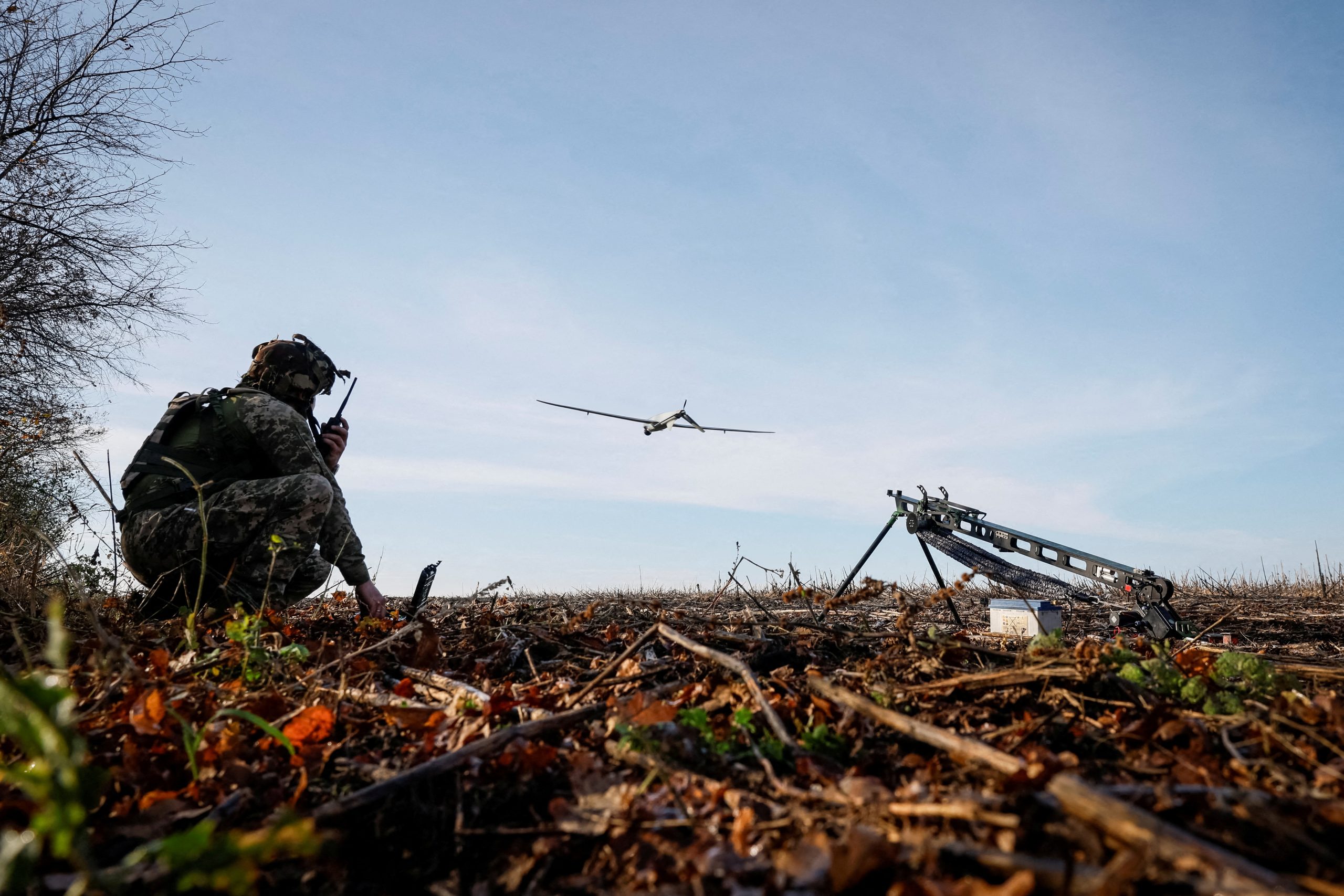
Ukraine’s battlefield advantage is not just its drones, but the Delta digital battle management system that connects them. The article compares Delta to Britain’s World War II air operations rooms, where radar and observer reports were fused into a single picture for commanders. Today, Delta does the same in fully digitized form, using AI and real-time data to show friendly and enemy forces across the battlefield.
The system emerged from improvised early-war Ukrainian drone operations, when soldiers used commercial drones and basic video streams for reconnaissance. As the war became more static and complex, Ukraine needed better coordination, faster targeting, and wider sharing of battlefield information. Delta, along with tools like Vezha, now integrates live drone feeds, logs sightings, maps Russian movements, and helps units strike targets quickly. Ukrainian officials say AI systems within Delta can analyze thousands of pieces of Russian equipment each week.
The article argues that modern drone warfare depends as much on software as hardware because effective systems compress the time between detecting a target and destroying it. It also highlights how Western militaries are only beginning to understand this shift. During a NATO exercise in Estonia, Ukrainian specialists using Delta reportedly exposed major weaknesses in allied forces. Ukrainian officers say many Western militaries still rely on outdated procedures, while Delta has improved command and control and reduced friendly fire.
The piece concludes that allies should study and potentially adopt similar systems, because drone hardware is most effective when paired with advanced battlefield software and operational expertise.
Article timeline
Build this article’s timeline
Extract dated events, key actors, and open questions using the same timeline analysis available in Signal.
Log in to build
Timeline generation is available to signed-in community members.
Primary-source excerpts
Login to contribute excerpts from the source.
Five Ws
🤖 4 AI prefills · 1 still unanswered
Who
Lyuba Shipovich, Ruslan Prylypko, Illia Malko, and CEPA
What
Ukraine’s battlefield advantage is not just its drones, but the Delta digital battle management system that connects them.
When
When did this happen, or what is the timeframe?
Where
Ukraine, Europe, and North America
Why
Centers on Delta battlefield system, digital battle management system, and software-driven warfare
Login to answer and earn XP for each gap you fill.
Delta Battlefield System Delta, battlefield map, command and control, situational awareness, digital system Drone Targeting Workflow drones, live feeds, targeting, kill chain, reconnaissance Ukrainian War Innovation Ukraine, warfare, improvised, technology, Aerorozvidka NATO Lessons Learned NATO, Western militaries, Estonia, exercise, allies
Key Phrases:
Delta battlefield system100% digital battle management system95% software-driven warfare92% kill chain90% command and control89% battlefield awareness88% drone feeds87% real-time target detection86% Vezha84% Avengers AI platform83%
People: Lyuba Shipovich3 Ruslan Prylypko2 Illia Malko David Kirichenko Maj. Gen. Gordon Skip Davis B. Skip Davis, Jr. Sofia Slonovska Alina Smutko Putin
Organizations: CEPA8 Dignitas Ukraine Aerorozvidka Khartiia Brigade Yasni Ochi NATO4 Wall Street Journal Palantir2 Henry Jackson Society Reuters
28
Manipulation Score: Low
How much this article uses emotional framing vs. straight reporting
Loaded Language
1825%
Absolutist
2215%
Threat/Panic
2425%
Us vs Them
1415%
Engagement Bait
3020%
Manipulation score look right?
Factual Claims (10)
medium
military
Ukraine’s Delta battlefield system is central to its warfighting capabilities.
medium
technology
Delta is a fully digitized battle management system that accommodates AI.
medium
military
Delta shows enemy and friendly forces in near real time.
medium
military
Early Ukrainian drone operations used commercially available drones and simple video streams.
medium
technology
Aerorozvidka created the early Delta system in 2015.
high
military
In September 2024, Ukrainian officials said Avengers AI analyzed up to 12,000 pieces of Russian equipment each week.
medium
military
During the Hedgehog exercise in Estonia, more than 16,000 troops from 12 NATO countries trained together.
medium
military
Ten Ukrainian drone specialists were embedded with Estonian units during the exercise.
high
military
The exercise reportedly showed the British and Estonian opposing force was eliminated in a day and left unable to fight.
medium
geopolitical
At least one NATO country explored adopting the Delta platform in April 2025.
Comments
Login to view and post comments.