news
Energy.gov
Advanced Small Modular Reactors (SMRs) | Department of Energy
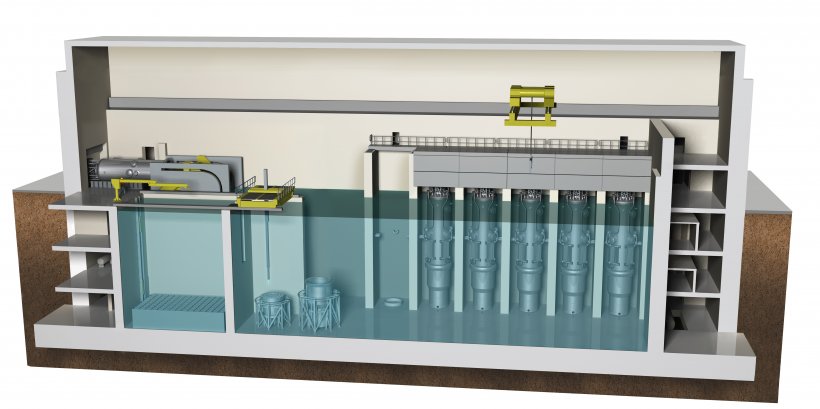
The U.S. Department of Energy describes advanced Small Modular Reactors (SMRs) as an important part of its strategy to provide safe, clean, affordable nuclear power. SMRs are compact nuclear reactors, typically ranging from tens to hundreds of megawatts, and can be used not only for electricity generation but also for process heat, desalination, and other industrial applications. Different SMR designs may use light water or alternative coolants such as gas, liquid metal, or molten salt.
DOE highlights several advantages of SMRs, including smaller physical footprints, lower capital costs, the ability to be built in places unsuitable for large nuclear plants, and the option to add power incrementally. They also offer safeguards, security, and nonproliferation benefits. The department sees SMRs as valuable for strengthening the nation’s energy security, economy, and environmental future.
To support development, DOE launched the Advanced SMR R&D Program in FY2019, building on earlier licensing support efforts. This program aims to accelerate U.S. SMR technologies for domestic and international markets by helping reduce technical and licensing risks. DOE has partnered with NuScale Power and Utah Associated Municipal Power Systems (UAMPS) to demonstrate a first-of-a-kind reactor at Idaho National Laboratory.
DOE also created a broader funding opportunity in 2018 to support innovative nuclear concepts, including SMRs, with a focus on design completion, manufacturing improvements, regulatory issues, and other technical challenges. The page also references related reports and news on SMR development and licensing progress.
Article timeline
Build this article’s timeline
Extract dated events, key actors, and open questions using the same timeline analysis available in Signal.
Log in to build
Timeline generation is available to signed-in community members.
Primary-source excerpts
Login to contribute excerpts from the source.
Five Ws
🤖 4 AI prefills · 1 still unanswered
Who
Department of Energy, NuScale Power, and NuScale Power, LLC
What
The U.S.
When
When did this happen, or what is the timeframe?
Where
United States, U.S., and Idaho National Laboratory
Why
Centers on Advanced Small Modular Reactors, SMR technologies, and light water-cooled SMRs
Login to answer and earn XP for each gap you fill.
SMR Technology Overview small modular reactors, advanced reactors, coolants, light water, molten salt DOE Support Programs Department of Energy, R&D program, cost-shared funding, licensing support, government support Licensing and Regulation NRC, licensing review, regulatory issues, technical support, approval Industry Development Goals manufacturing, reactor designs, control systems, economic outlook, energy independence
Key Phrases:
Advanced Small Modular Reactors100% SMR technologies96% light water-cooled SMRs92% nontraditional coolants89% nuclear power options86% safeguards, security and nonproliferation advantages84% research, development, and deployment activities81% first-of-a-kind reactor technology79% Idaho National Laboratory77% Utah Associated Municipal Power Systems74%
Organizations: Department of Energy5 NuScale Power3 NuScale Power, LLC Department8 NRC2 SMR Licensing Technical Support UAMPS Utah Associated Municipal Power Systems Idaho National Laboratory U.S. Industry Opportunities for Advanced Nuclear Technology Development2
Events: Carbon Free Power Project
6
Manipulation Score: Low
How much this article uses emotional framing vs. straight reporting
Loaded Language
525%
Absolutist
815%
Threat/Panic
225%
Us vs Them
115%
Engagement Bait
1020%
Manipulation score look right?
Factual Claims (10)
low
technology
Advanced SMRs can vary in size from tens of megawatts up to hundreds of megawatts.
low
technology
Advanced SMRs can be used for power generation, process heat, desalination, or other industrial uses.
medium
energy
Advanced SMRs are a key part of DOE's goal to develop safe, clean, and affordable nuclear power options.
low
technology
The advanced SMRs currently under development in the United States represent a variety of sizes, technology options, capabilities, and deployment scenarios.
low
technology
SMR designs may use light water or non-light water coolants such as gas, liquid metal, or molten salt.
medium
economic
Advanced SMRs offer advantages such as small physical footprints, reduced capital investment, and incremental power additions.
medium
geopolitical
SMRs offer safeguards, security, and nonproliferation advantages.
medium
legal
Light water-cooled SMRs are under licensing review by the NRC and will likely be deployed in the late 2020s to early 2030s.
low
other
The Advanced SMR R&D program was initiated in FY2019.
medium
technology
DOE partnered with NuScale Power and UAMPS to demonstrate a first-of-a-kind reactor technology at Idaho National Laboratory this decade.
Comments
Login to view and post comments.