news
cbsnews.com
U.S. strikes 2 Iranian ports as American warships come under fire - CBS News
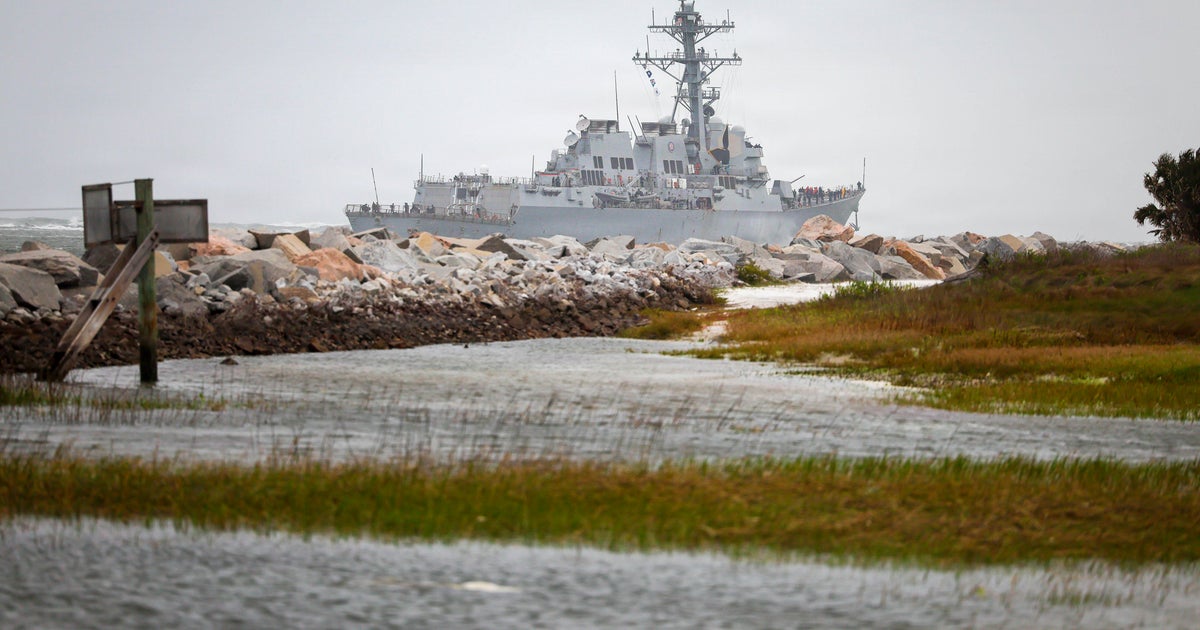
Three U.S. Navy destroyers — USS Truxton, USS Mason and USS Rafael Peralta — came under attack Thursday while transiting the Strait of Hormuz, prompting U.S. “self-defense strikes” on Iranian targets, according to U.S. officials and Central Command. The U.S. struck the Iranian ports of Bandar Abbas and Qeshm, hitting facilities linked to drones and missiles. CENTCOM said the American ships were not hit and no casualties or damage to the vessels were reported.
Officials described the Iranian assault as more intense and sustained than an earlier attack earlier in the week. During the confrontation, Iranian fast-attack boats closed in on the destroyers, while drones, missiles, small boats and other weapons were used against them. The U.S. response included naval guns, CIWS close-in defense systems, machine guns, Apache helicopters firing Hellfire missiles, and support from aircraft overhead.
President Trump said the ceasefire with Iran remained in effect despite the strikes, characterizing the U.S. response as a minor “love tap.” He also warned that future Iranian attacks would be met with much harsher retaliation. Earlier this week, the same destroyers had already survived another Iranian barrage in the Strait, and CENTCOM said it destroyed six Iranian vessels during that incident, which Iran denied.
The clashes underscore continued tensions over control of the Strait of Hormuz, a vital shipping lane that normally carries about one-fifth of the world’s oil. Commercial traffic has largely avoided the strait amid the conflict and Iran’s warnings to ships.
Article timeline
Build this article’s timeline
Extract dated events, key actors, and open questions using the same timeline analysis available in Signal.
Log in to build
Timeline generation is available to signed-in community members.
Primary-source excerpts
Login to contribute excerpts from the source.
Five Ws
🤖 4 AI prefills · 1 still unanswered
Who
Donald Trump, Pete Hegseth, Marco Rubio, and CBS News
What
Three U.S.
When
When did this happen, or what is the timeframe?
Where
Strait of Hormuz, Iran, and Bandar Abbas
Why
Centers on Strait of Hormuz, ceasefire, and U.S. Navy destroyers
Login to answer and earn XP for each gap you fill.
Naval Engagement destroyers, warships, Strait of Hormuz, attack, drones U.S. Retaliatory Strikes strikes, Iranian ports, Bandar Abbas, Qeshm, facilities Ceasefire Diplomacy ceasefire, peace deal, negotiations, talks, Operation Epic Fury Hormuz Shipping Control shipping, commercial traffic, blockade, Project Freedom, oil
Key Phrases:
Strait of Hormuz100% ceasefire97% U.S. Navy destroyers95% self-defense strikes93% Iranian ports91% Bandar Abbas90% Qeshm88% CENTCOM86% drone and missile launch sites85% fast-attack boats84%
Organizations: CBS News8 U.S. Navy Central Command2 CENTCOM2 U.S. military2 ABC News Fox News Truth Social U.S. and Israel The Free Press2
41
Manipulation Score: Medium
How much this article uses emotional framing vs. straight reporting
Loaded Language
3825%
Absolutist
2215%
Threat/Panic
5525%
Us vs Them
3415%
Engagement Bait
5220%
Manipulation score look right?
Factual Claims (10)
medium
military
Three U.S. Navy destroyers transiting the Strait of Hormuz came under attack on Thursday.
high
military
The U.S. carried out strikes on two Iranian ports abutting the Strait of Hormuz.
medium
military
The USS Truxtun, USS Mason, and USS Rafael Peralta were attacked by drones and small boats.
medium
military
CENTCOM confirmed the attacks and said the U.S. responded with self-defense strikes on Iranian facilities.
medium
military
The U.S. vessels were not struck, according to CENTCOM.
high
geopolitical
The U.S. targeted the Iranian ports of Bandar Abbas and Qeshm, according to multiple U.S. officials.
medium
geopolitical
President Trump said the ceasefire is still in effect despite the strikes on Iranian targets.
low
other
Trump described the strikes as 'just a love tap' and said 'We blew them away.'
medium
military
CENTCOM said it destroyed six Iranian vessels on Monday, which Iran denied.
high
economic
Commercial shipping traffic ground to a virtual halt after U.S. and Israel first launched strikes on Iran in late February.
Comments
Login to view and post comments.