The ethics of ‘Pluribus,’ according to a philosopher
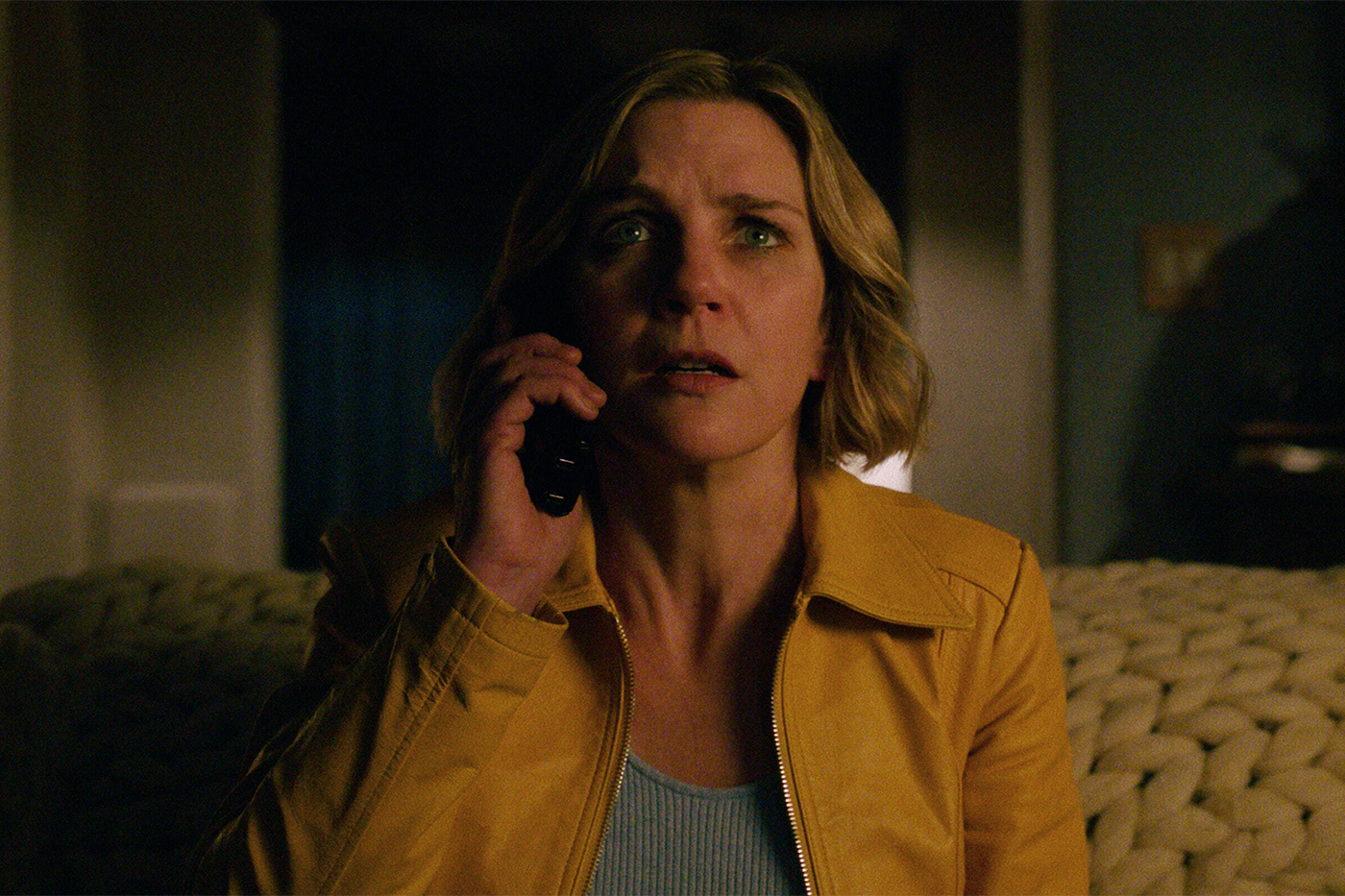
“Pluribus,” a new Apple TV sci-fi series, presents a post-apocalyptic world where humanity unwittingly creates an alien virus that forms a peaceful collective consciousness, leaving a few unaffected individuals, like protagonist Carol Sturka, grappling with the implications of their individuality versus the hive mind. Philosophical questions arise about whether Carol and humanity would be better off joining this collective or maintaining their independence. Philosopher John Basl from Northeastern University emphasizes the ethical dilemmas presented in the show, highlighting the complexity of navigating individual needs versus the collective good.
While the collective, known as the Others, exhibits nonviolent behavior and a lack of crime, they also experience extreme reactions to negative emotions, which presents challenges for Carol, who struggles with the consequences of her actions. Basl draws parallels between the show’s themes and the ethical concerns surrounding artificial intelligence, suggesting that the Others can be seen as a metaphor for AI, reflecting fears of superintelligence surpassing human capacities.
Ultimately, “Pluribus” explores the nuanced trade-offs between individuality and collective existence, leaving viewers to ponder the existential questions about identity and moral obligations. Basl concludes that the ethical dilemmas presented are deeply personal and complex, making the show resonate with audiences as they navigate similar choices in their own lives.
Article timeline
Build this article’s timeline
Extract dated events, key actors, and open questions using the same timeline analysis available in Signal.
Log in to build
Timeline generation is available to signed-in community members.
Primary-source excerpts
Login to contribute excerpts from the source.
Five Ws
🤖 4 AI prefills · 1 still unanswered
Who
Carol Sturka, Rhea Seehorn, John Basl, and Northeastern University
What
“Pluribus,” a new Apple TV sci-fi series, presents a post-apocalyptic world where humanity unwittingly creates an alien virus that forms a peaceful collective consciousness, leaving a few unaffected individuals, like protagonist Carol Stur…
When
2026 and 2003
Where
Where did this occur?
Why
Centers on Pluribus, collective consciousness, and ethical dilemma
Login to answer and earn XP for each gap you fill.
Ethical Dilemmas in Sci-Fi ethics, individuality, collective consciousness, apocalypse, tradeoffs AI and Humanity AI ethics, superintelligence, collective, human ingenuity, metaphor Consequences of Actions consequences, actions, collective harm, moral obligations, individual impact
Key Phrases:
Pluribus95% collective consciousness90% ethical dilemma88% individuality85% AI ethicist83% Others80% hive mind78% philosophical challenges75% existential tradeoffs73% paperclip maximizer70%
Events: COVID-19 pandemic
45
Manipulation Score: Medium
How much this article uses emotional framing vs. straight reporting
Loaded Language
3025%
Absolutist
2015%
Threat/Panic
4025%
Us vs Them
3515%
Engagement Bait
2520%
Manipulation score look right?
Factual Claims (10)
medium
social
The virus infects the world and turns almost everyone into part of a peaceful hive mind.
medium
social
There is no war and no crime in the world taken over by the hive mind.
low
social
Members of the collective are known as the Others.
medium
social
The Others do not harm animals or the planet.
medium
social
The show poses complex ethical dilemmas about individuality versus collectivism.
medium
social
The Others go into a catatonic state when encountering negative emotions.
high
technology
The show is a metaphor for AI and its potential consequences.
medium
social
The philosophical challenges in the show are attributed to human actions.
medium
social
The Others view themselves as a more peaceful alternative to humanity.
medium
social
The ethical tradeoffs in the show are significant and personal.
Comments
Login to view and post comments.