Border Wall Closes in on Big Bend - Inside Climate News
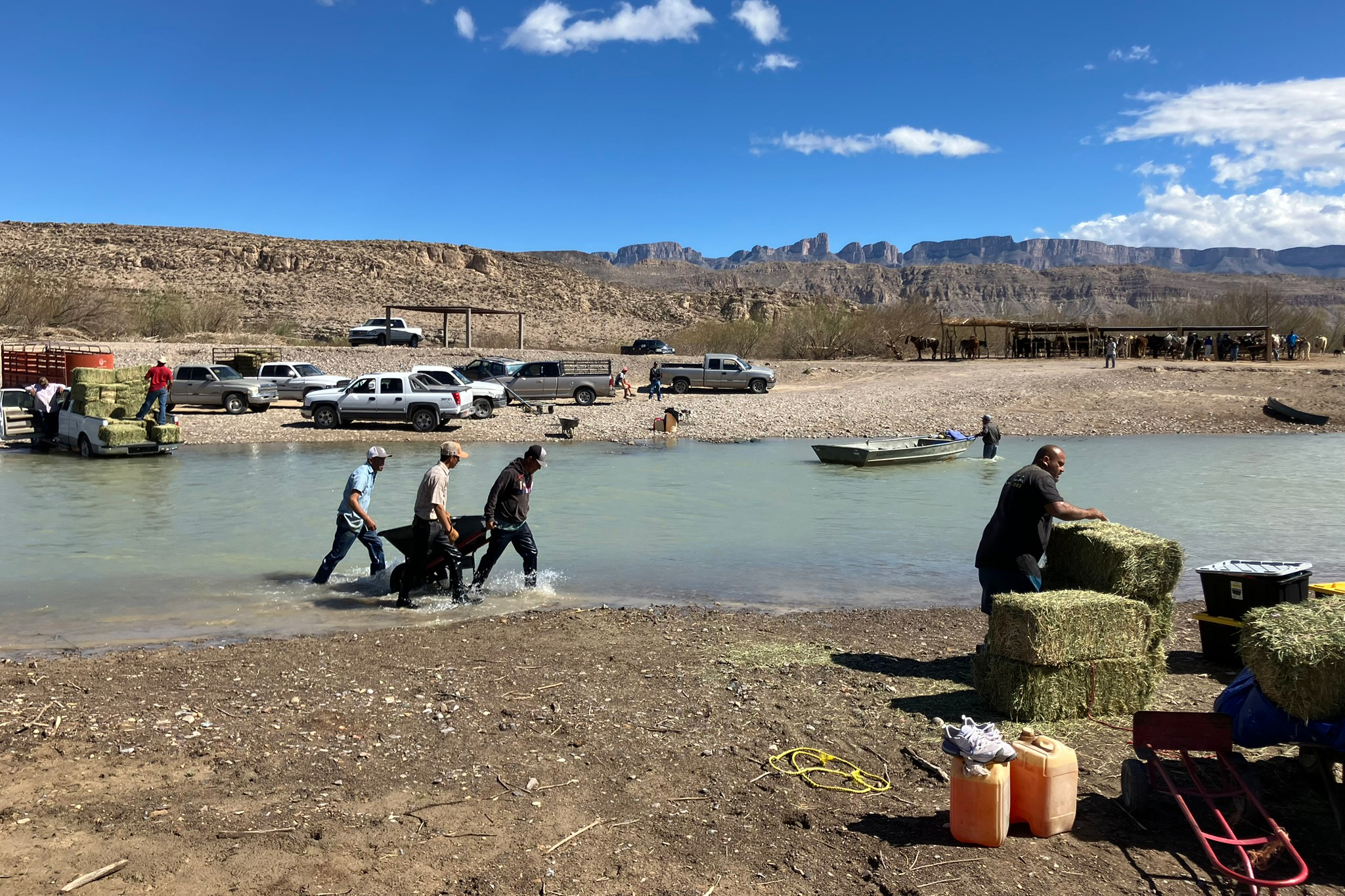
Plans to construct a border wall through the Big Bend region of West Texas have sparked significant concern among local residents and officials. The U.S. Customs and Border Protection (CBP) aims to build barriers in this remote area, which includes ranchland, small towns, and the Big Bend Ranch State Park, waiving 28 environmental and historical laws to expedite the process. This construction is part of a broader initiative following the passage of the One Big Beautiful Bill Act, which allocated $46.5 billion for border wall projects nationwide, despite a decline in unauthorized crossings in the region.
Local officials, including Brewster County Judge Greg Henington, oppose the wall, arguing that there are more effective ways to ensure border security. Archaeologists express that the wall would damage significant Indigenous historical sites, while residents like Charlie Angell, who has lived near the Rio Grande for over a decade, report little to no illegal crossings in their vicinity. The CBP plans to implement various infrastructure improvements along a 517-mile stretch of the Texas-Mexico border, with construction expected to begin soon.
Concerns extend to environmental impacts, as the wall could disrupt wildlife migration and local ecosystems. The Big Bend National Park, which attracts over 500,000 visitors annually and contributes significantly to the local economy, is also threatened by these plans, leading to a growing call for alternative solutions to border security.
Article timeline
Build this article’s timeline
Extract dated events, key actors, and open questions using the same timeline analysis available in Signal.
Log in to build
Timeline generation is available to signed-in community members.
Primary-source excerpts
Login to contribute excerpts from the source.
Five Ws
🤖 4 AI prefills · 1 still unanswered
Who
Tony Gonzales, Greg Henington, David Keller, and U.S. Customs and Border Protection
What
Plans to construct a border wall through the Big Bend region of West Texas have sparked significant concern among local residents and officials.
When
When did this happen, or what is the timeframe?
Where
Big Bend, Texas, and United States
Why
Centers on Big Bend region, border wall construction, and U.S. Customs and Border Protection
Login to answer and earn XP for each gap you fill.
Border Wall Construction border wall, construction, Big Bend, security, DHS Environmental Concerns environmental protection, archeological preservation, wildlife, impact, landowners Local Opposition community, residents, opposition, public officials, Brewster County Cultural Heritage Native American, history, archaeology, cultural impact, La Junta de los Rios
Key Phrases:
Big Bend region95% border wall construction93% U.S. Customs and Border Protection92% environmental protection90% historical preservation88% smart wall87% Rio Grande85% archaeological site84% illegal border crossings83% Brewster County81%
People: Tony Gonzales Greg Henington David Keller2 Joanna MacKenzie Joe Portillo Charlie Angell3 Lilia Falcon
Organizations: U.S. Customs and Border Protection3 U.S. Department of Homeland Security National Park Service2 Texas Parks and Wildlife Department
Locations: Big Bend6 Texas5 United States3 Hudspeth County3 Brewster County3 Alpine2 Presidio County3 Rio Grande3 Boquillas del Carmen Santa Elena Canyon
Events: One Big Beautiful Bill Act
Comments
Login to view and post comments.