We Need to Talk About How We Talk About 'AI' | TechPolicy.Press
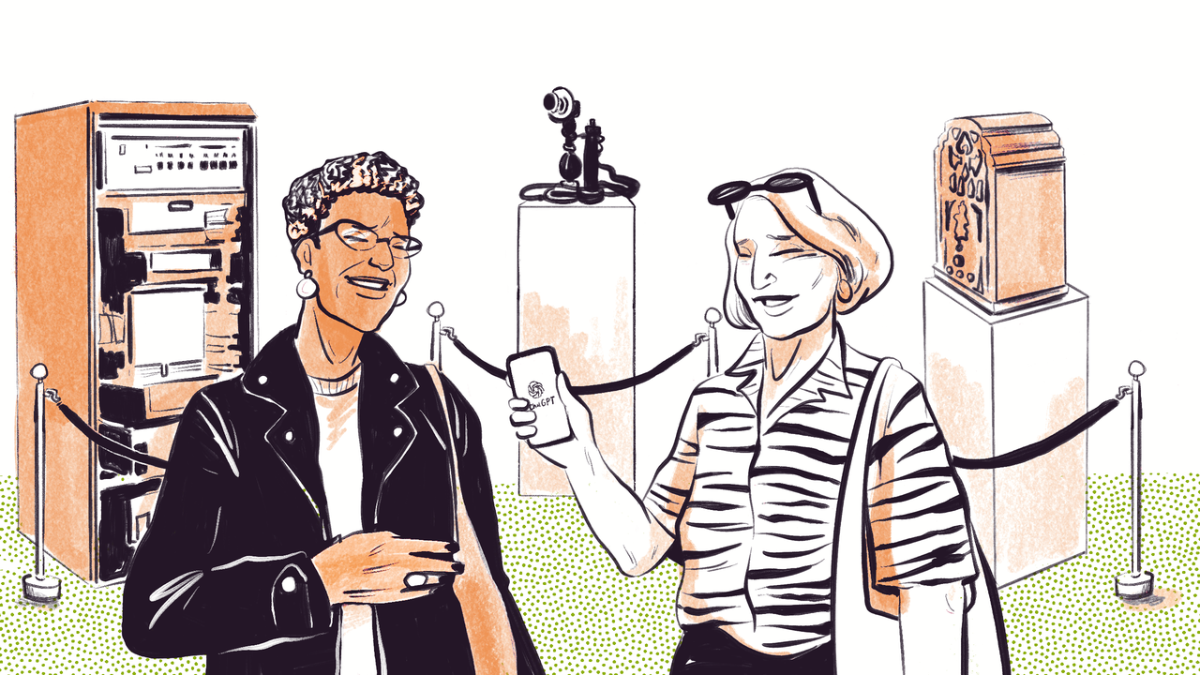
The article by Emily M. Bender and Nanna Inie critiques the anthropomorphization of artificial intelligence (AI) in public discourse. The authors argue that describing AI systems using human-like terms, such as "thinking" or "understanding," misrepresents their capabilities and obscures their limitations. This misleading language contributes to a false perception of AI as intelligent and capable, which can lead to misplaced trust and over-reliance on these technologies.
The media and companies often frame AI in ways that suggest accountability and agency, such as saying "ChatGPT helps students" or "the model creates realistic video." Such phrasing not only anthropomorphizes these systems but also distracts from the human responsibility behind their development and outcomes. The authors emphasize the importance of accurate terminology to help the public make informed decisions about AI technologies. They argue that clearer language can enhance AI literacy, which is crucial as misconceptions can negatively impact vulnerable populations.
To improve understanding, the authors propose focusing on the functionalities of AI systems rather than attributing human-like qualities to them. For example, instead of saying a model is "good at" a task, it is more accurate to describe what it is "good for." The article calls for a shift in communication strategies to foster a more realistic understanding of AI and its implications for society.
Article timeline
Build this article’s timeline
Extract dated events, key actors, and open questions using the same timeline analysis available in Signal.
Log in to build
Timeline generation is available to signed-in community members.
Primary-source excerpts
Login to contribute excerpts from the source.
Five Ws
🤖 4 AI prefills · 1 still unanswered
Who
University of Washington and IT-University of Copenhagen
What
The article by Emily M.
When
When did this happen, or what is the timeframe?
Where
Copenhagen
Why
Centers on anthropomorphizing language, artificial intelligence, and probabilistic automation systems
Login to answer and earn XP for each gap you fill.
Anthropomorphism in AI anthropomorphizing, intelligent, human-like, misleading, language Public Perception of AI perception, trust, misplaced, understanding, literacy Communication and Accountability communication, accountability, miscommunication, design choices, interaction Language Accuracy in AI accuracy, nomenclature, descriptions, functionalities, metaphors
Key Phrases:
anthropomorphizing language95% artificial intelligence90% probabilistic automation systems88% wishful mnemonics85% AI literacy83% cognitive augmentation technology80% misleading language78% generative AI76% human cognition75% communication acts73%
Locations: Copenhagen
Comments
Login to view and post comments.